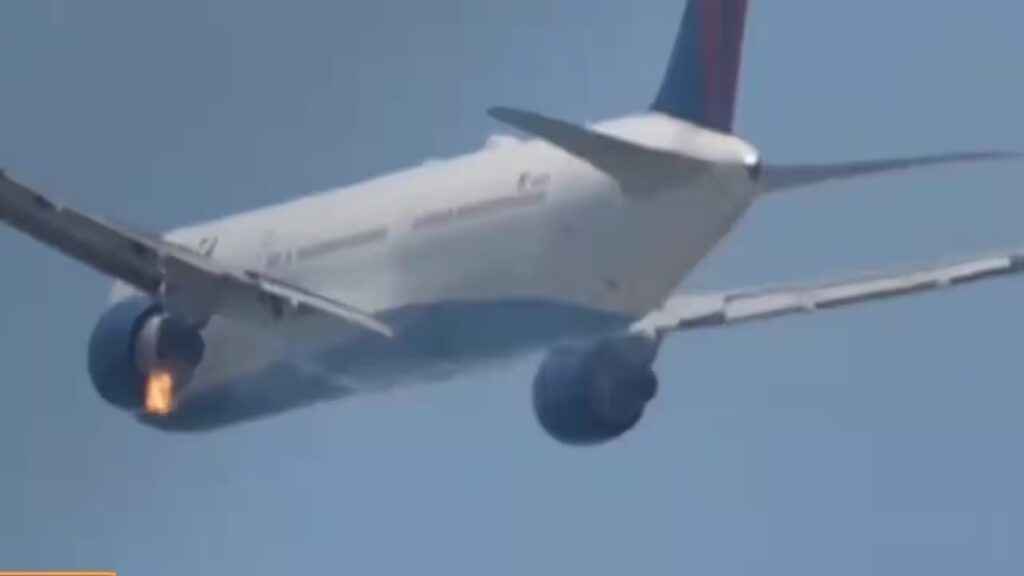
Passengers aboard a Delta Airlines flight experienced a terrifying ordeal when one of the aircraft’s engines caught fire shortly after takeoff. The incident, which occurred on a routine domestic flight, has sparked renewed discussions about aviation safety and emergency preparedness among both passengers and airlines.
According to eyewitness reports, the Delta jet—a Boeing 737—was departing from Atlanta Hartsfield-Jackson International Airport when passengers on the left side of the plane noticed flashes of light and heard loud popping sounds coming from one of the engines. Within moments, flames could be seen shooting from the engine nacelle. Panic quickly spread through the cabin as passengers alerted the flight attendants, some of whom moved quickly to calm the situation.
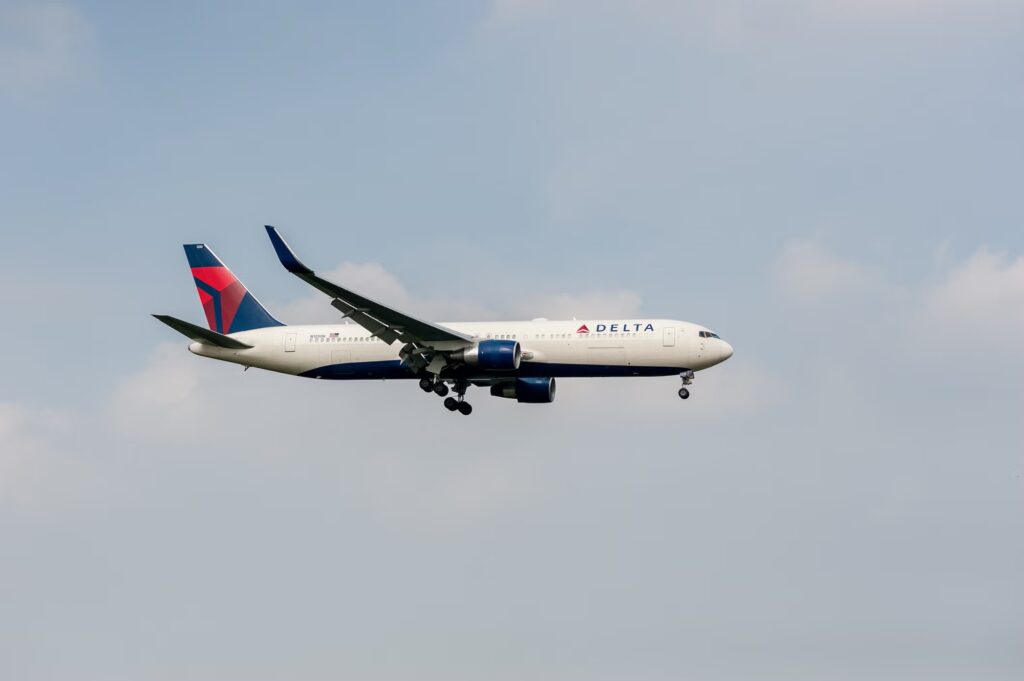
The pilots immediately declared an emergency and began procedures to return to the airport. Air traffic controllers cleared all other flights from the area to allow the stricken aircraft a priority landing. Despite the severity of the situation, the crew maintained composure, following established emergency checklists and communicating with both passengers and ground control.
Video footage recorded by passengers quickly spread across social media, showing flames flickering outside the window as the aircraft began its descent. The images ignited widespread concern, with many viewers expressing both fear and admiration for the calm professionalism of the flight crew.
After approximately 15 tense minutes in the air, the pilots successfully landed the aircraft back in Atlanta. Fire crews, already positioned on standby, raced to the scene, quickly dousing the flames and inspecting the engine. Fortunately, no injuries were reported among the passengers or crew, though several described the experience as the most frightening moment of their lives.
Delta Airlines issued a statement shortly after the incident, confirming that the aircraft had returned safely to the airport after what it called a “mechanical issue involving one of the engines.” The airline added that all passengers were rebooked on alternate flights and that maintenance teams, in coordination with federal aviation authorities, were investigating the cause of the malfunction.
Initial findings suggest that the fire may have been caused by a compressor failure or oil leak—both of which can trigger small fires in jet engines under certain conditions. Aviation experts note that while such incidents are rare, modern aircraft are designed with multiple safety systems to contain and extinguish engine fires before they spread or cause catastrophic damage.
Passengers on the flight praised the flight attendants and pilots for their professionalism. “Everyone was terrified, but the crew stayed calm the entire time,” said one passenger. “They kept us informed, reassured us, and handled everything perfectly.”
Aviation analyst David McConnell told reporters that the successful outcome was a testament to rigorous pilot training. “This is exactly why airline crews undergo regular emergency drills,” he said. “Even in worst-case scenarios like an engine fire, the procedures are designed to keep passengers safe.”
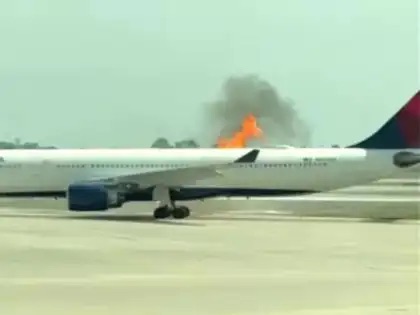
The incident serves as a reminder that while modern aviation remains the safest mode of transportation, mechanical failures can still occur. Delta Airlines emphasized that passenger safety remains its top priority and that the affected aircraft will undergo extensive inspection before being cleared to fly again.
As investigations continue, both Delta and the Federal Aviation Administration (FAA) are expected to release detailed reports on the cause of the fire and any recommended safety improvements.