There are moments in life that divide everything into before and after. For Daniel Reyes, a 34-year-old outdoor enthusiast from Colorado, that moment came on a quiet afternoon in the foothills of the Rocky Mountains. What began as a peaceful solo hike through familiar terrain quickly turned into a fight for survival—one that would test his courage, instinct, and willpower in ways he never imagined.
Daniel had always loved the wilderness. Growing up near Boulder, he spent countless weekends hiking, camping, and exploring the rugged mountain trails that surrounded his hometown. He was well-versed in outdoor safety, understood wildlife behavior, and rarely felt uneasy in nature. That confidence would play a crucial role in what happened next.
On the day of the incident, the weather was ideal: clear skies, crisp mountain air, and a soft breeze weaving through the pines. Daniel set off on a trail he had walked dozens of times. His goal was simple—to reach a scenic viewpoint by late afternoon, rest for a while, and return before sunset. With his backpack carrying water, snacks, and basic first-aid supplies, he felt prepared for anything the mountain could throw at him—or so he thought.
About three miles into the trail, the forest grew quiet—so quiet that Daniel noticed the shift immediately. The birdsong faded. The rustling of small animals in the underbrush seemed to disappear. A heavy stillness settled over the woods, the kind that instinctively puts any experienced hiker on high alert. Daniel paused, scanning the trees, listening for movement. At first, he saw nothing.
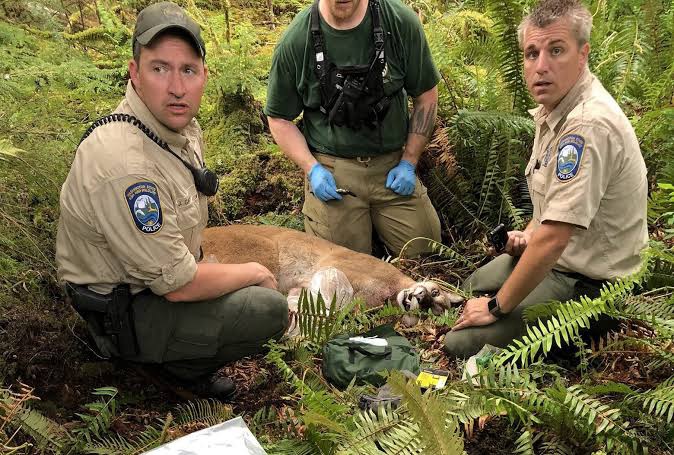
Then he noticed something unusual: a faint rustling to his left, followed by the unmistakable sensation of being watched. He turned slowly, and there—partially hidden behind a cluster of low shrubs—was a mountain lion. Its tawny coat blended perfectly with the dry grass. Only its eyes, fixed intensely on him, revealed its presence.
Daniel’s heart pounded. He knew mountain lions often avoid humans, but when they stalk or approach, it can indicate predatory behavior. He followed the recommended safety protocol: He stood tall, raised his arms, and tried to appear larger. He spoke in a firm, calm voice, warning the animal to back off. For a moment, the big cat hesitated, muscles tensed, tail flicking back and forth.
But instead of retreating, the mountain lion stepped closer.
Daniel’s instincts kicked in. He slowly backed away, careful not to turn his back or run—both actions that could trigger a chase. But the terrain was uneven, and with each step Daniel felt the ground slant beneath him. The mountain lion lowered its body, shoulders rippling, eyes locked on its target.
Then it sprang.
The force of the impact knocked Daniel backward. He hit the ground hard, struggling to shield his face and throat as the big cat swiped with its paws. Though the encounter was chaotic and terrifying, Daniel refused to panic. He remembered advice from wildlife experts: Fight back. Don’t play dead. Show the animal you are not easy prey.
Using his forearms to protect himself, he reached for anything he could use as a weapon. His hand brushed against a loose rock. With adrenaline surging through him, he grabbed it and struck the mountain lion on the snout—one of its most sensitive areas. The animal recoiled briefly, giving Daniel just enough time to scramble to his feet.
But the danger wasn’t over. The mountain lion circled him, still gauging whether to continue the attack. Daniel shouted, waved his arms wildly, and threw another rock. The cat hesitated again, ears flattening. After several long, tense seconds, the mountain lion finally turned and disappeared back into the forest.
Daniel stood motionless, breathing heavily, his body trembling with shock but alive.
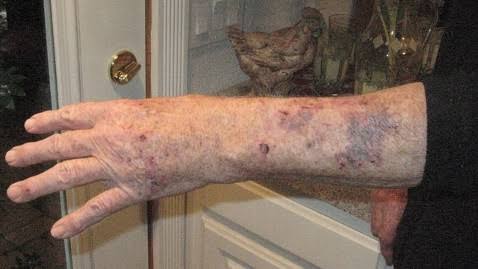
He checked himself. Although shaken and bruised, most of his injuries were minor: scratches, torn clothing, and a few deeper cuts that needed cleaning. His backpack had absorbed some of the impact when he fell, probably preventing more serious harm. He knew he had to return to the trailhead quickly before shock or blood loss caused problems.

The hike back felt much longer than the journey up. Every sound in the forest set his nerves on edge. But Daniel kept moving, driven by determination and the knowledge that staying would be far more dangerous.
When he finally reached the parking area, a pair of hikers spotted him limping toward the trailhead with ripped clothes and blood on his arms. They rushed to help, providing clean bandages and calling emergency services. Within an hour, Daniel was treated at a nearby clinic. Fortunately, none of his injuries were life-threatening.
News of the attack quickly spread, drawing attention to both the bravery of the survivor and the importance of wildlife safety. Interviews with experts emphasized that while mountain lion encounters are rare, they can happen—even on familiar trails. Understanding how to react can make the difference between life and death.

Daniel’s experience changed him deeply. He continued hiking, but with greater awareness and respect for the unpredictable nature of the wilderness. He now shares his story at outdoor safety seminars, hoping to empower others to be prepared—not scared—when exploring the great outdoors.
For Daniel, surviving the attack wasn’t just about luck. It was about knowledge, instinct, and an unbreakable will to live. And although the memory of that day remains vivid, he refuses to let fear take away the part of his life he loves most. Instead, he uses the experience as a reminder of the delicate balance between humans and the wild—one that demands both caution and admiration.